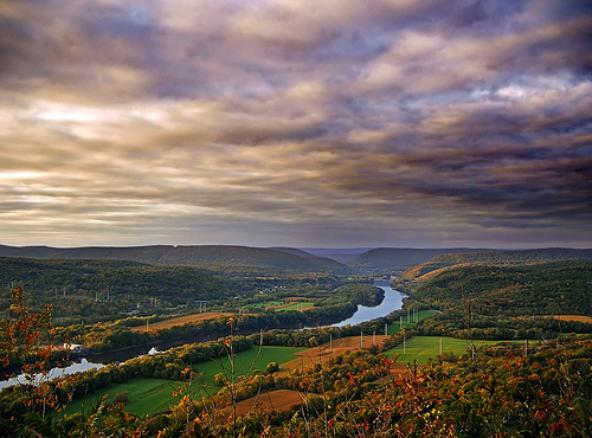
Most of the time, rivers flow until they reach a larger water source, such as the ocean. The place where a river meets the ocean is called the mouth of the river. Sometimes rivers join with other rivers along their path. The smaller rivers that feed into the main body of water are called tributaries!
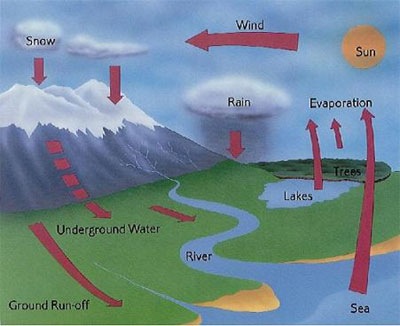

Why are riparian zones important?
Riparian zones link ecosystems within a landscape. Landscapes are composed of (often overlapping) patches of different types of vegetation, soil and available nutrients, moisture and light. Disturbances in the landscape, such as fire, pest outbreaks or even the death of a single tree, create these patches, which provide different types of habitat. This diversity of habitats is important, but so is connectivity between them. Riparian zones allow wildlife to travel between habitat islands by providing transportation corridors, and help to circulate nutrients among different ecosystems. Since riparian zones are wetter than the surrounding landscape, they also often resist destruction by fire, and recover more quickly. This helps the landscape as a whole to recover.
